
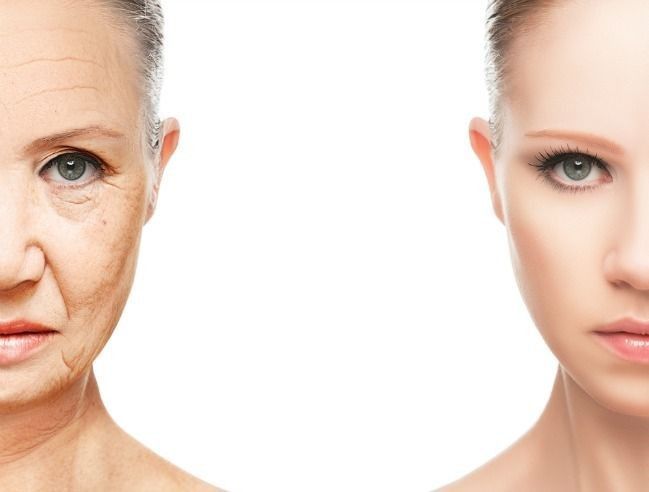
Most people notice the first real signs of skin ageing not in a mirror but in a photograph. A candid shot from a family gathering or a video call where the lighting is not kind. The skin looks a little duller than expected, the lines around the eyes seem more settled, and the cheeks have lost a certain fullness that used to be there without effort. This is not vanity — it is biology, and it follows a fairly predictable pattern.
Understanding why skin ages the way it does is the starting point for doing something meaningful about it. Anti aging treatment today is less about dramatic transformations and more about working with the skin's natural processes to slow what can be slowed and restore what has already shifted.
Why Skin Ages the Way It Does
Skin ageing happens on two tracks simultaneously. The first is intrinsic — driven by genetics and the natural slowdown of collagen production that begins in a person's mid-twenties. The second is extrinsic — caused by sun exposure, pollution, disrupted sleep, poor nutrition, and stress.
Collagen and elastin are the structural proteins that keep skin firm and bouncy. As their production declines, the skin becomes thinner, less elastic, and slower to repair itself. Fat pads beneath the skin also shift and reduce over time, which is why facial hollowing and sagging are common concerns alongside wrinkles.
The Role of Lifestyle in Premature Ageing
Environmental damage — particularly from ultraviolet radiation — accounts for a significant portion of visible ageing in Indian skin. Melanin offers some natural protection, but it does not eliminate the cumulative damage that builds up from years of unprotected sun exposure. Smoke, both from cigarettes and urban pollution, accelerates the breakdown of collagen. And chronic dehydration, both internal and topical, makes fine lines appear more pronounced than they actually are.
What Modern Anti Ageing Treatments Involve
The field has changed considerably in the past decade. Where older approaches often involved harsh peels or surgical interventions with long recovery times, contemporary methods are far more targeted and far less disruptive.
Non-Invasive and Minimally Invasive Options
Non surgical anti aging treatment in Wakad has grown significantly in demand because results can be achieved without the downtime or risks associated with surgery. Some of the most commonly used methods include:
Radiofrequency therapy works by delivering controlled heat energy to the deeper layers of skin, stimulating collagen production without affecting the surface. The skin gradually tightens over several weeks following treatment.
Chemical peels use carefully formulated acids to remove the outermost layers of dead skin, revealing fresher skin beneath. Depending on the depth of the peel, they can address uneven tone, fine lines, pigmentation, and texture.
Laser treatments target specific skin concerns with precision. Some target pigmentation and sun spots, others stimulate collagen through controlled micro-injuries that trigger the skin's repair response.
Microneedling creates tiny punctures in the skin with fine needles, prompting collagen synthesis as the skin heals. When combined with growth factor serums, results are typically more pronounced.
Dermal fillers and botulinum toxin address volume loss and dynamic wrinkles respectively. Fillers restore contour to areas like the cheeks, under-eye hollows, and lips. Botulinum toxin relaxes the muscles responsible for expression lines.
What a Proper Assessment Looks Like
A good treatment plan begins with a thorough skin analysis — not a quick glance and a generic recommendation. Skin type, tone, texture, existing pigmentation, hydration levels, and the degree of laxity all factor into which treatments are appropriate.
Indian skin, while resilient in many ways, is more prone to post-inflammatory hyperpigmentation, which means certain aggressive treatments need to be adapted. An experienced practitioner at a professional skin clinic in Wakad will account for these factors before recommending any procedure.
Age and hormonal status matter too. The skin of someone in their late thirties responds differently than that of someone in their mid-fifties. A personalised approach, rather than a one-size protocol, consistently delivers better outcomes and fewer complications.
Maintaining Results Over Time
Any skin treatment, no matter how well performed, will not hold its results indefinitely if the basics are ignored at home. A simple but consistent skincare routine forms the foundation — a gentle cleanser, a broad-spectrum sunscreen used daily without exception, a moisturiser suited to the skin type, and a retinoid or peptide-based product used at night.
Diet plays a more significant role than most people expect. Antioxidant-rich foods — vegetables, fruits, nuts, and healthy fats — support the skin from within. Adequate hydration, quality sleep, and stress management all contribute to how skin ages over time.
Professional maintenance appointments — whether for a mild peel, a hydration booster, or a follow-up laser session — help preserve results and allow a practitioner to adjust the approach as the skin changes.
Frequently Asked Questions
At what age should one start anti ageing treatments?
There is no fixed age. Preventive treatments like sunscreen, hydration, and mild peels are appropriate in the mid-twenties. More targeted treatments are typically introduced in the thirties and forties as visible changes appear.
Are these treatments safe for Indian skin tones?
Yes, when performed by a trained professional who understands how Indian skin responds. Certain parameters — laser intensity, peel strength, product formulation — need adjustment for darker skin tones to minimise risks like pigmentation.
How many sessions are usually needed?
This depends entirely on the treatment and the concern being addressed. Some procedures show results after one session, while others require three to six spaced appointments for optimal outcome.
Is there any downtime involved?
Most non-invasive treatments involve little to no downtime. Superficial peels may cause mild flaking for a few days. Deeper treatments may require a short recovery period of a week or more.
Can results be permanent?
No treatment permanently stops ageing. However, results from well-performed procedures can last anywhere from several months to a couple of years, especially with good home care.
What should I avoid after treatment?
Avoid direct sun exposure, harsh skincare products, and excessive sweating for a period advised by your practitioner. Sunscreen use becomes even more important in the days following any procedure.
Conclusion
Ageing skin is not a problem to be solved in a single appointment. It is an ongoing process that responds well to consistent care — both professional and at home. The treatments available today are far more refined than what existed even five years ago, and the emphasis has shifted from dramatic correction to natural-looking maintenance.
Those exploring anti aging treatment in Wakad will find that the most effective approach always begins with a proper skin assessment rather than a prescribed menu of procedures. Whether you are considering best anti aging treatment in Wakad options for the first time or looking to build on previous results, connecting with a professional anti aging treatment in Wakad provider is the most important first step.
Clinics like Skin N Hair Clinic in Wakad offer advanced anti aging treatment in Wakad with individualised protocols. For anyone searching for best skin care clinics near me in Wakad, Pune or browsing skin clinics in Wakad, Pune, choosing a best skin clinic in Wakad with qualified practitioners makes all the difference. An advanced skin clinic in Wakad with proper diagnostic tools and a skilled team can deliver effective anti aging treatment in Wakad that holds up over time. Skin anti aging treatment in Wakad and anti ageing treatment in Wakad delivered through a trusted professional skin clinic in Wakad will always outperform generic, off-the-shelf approaches.
Source: What Your Skin Is Actually Telling You About Ageing — And What You Can Do About It